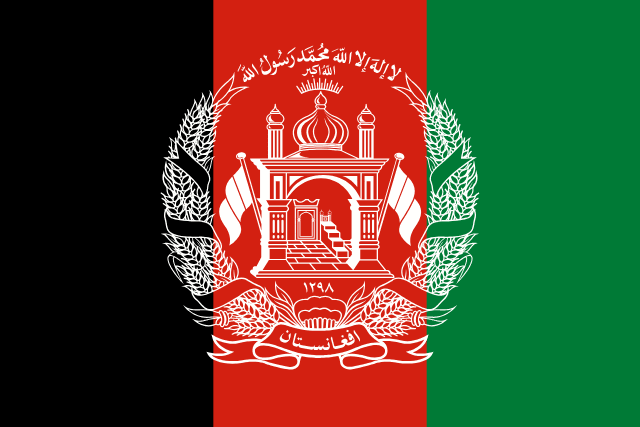
At a Glance
Alliances & Memberships
- OIC (Organization of Islamic Cooperation)
- SAARC (South Asian Association for Regional Cooperation)
- ECO (Economic Cooperation Organization)
- SCO (Shanghai Cooperation Organization - Observer)
- G77+China
Foreign Policy Overview
Afghanistan’s current foreign policy under the de facto Taliban authorities (Islamic Emirate of Afghanistan) focuses on seeking international formal recognition (de jure) while maintaining 'positive neutrality.' The doctrine emphasizes non-interference in the internal affairs of other nations provided the same is reciprocated. Key relationships are prioritized with regional neighbors—namely China, Pakistan, Iran, and Uzbekistan—to facilitate trade and infrastructure projects like the TAPI pipeline. The administration maintains a confrontational but pragmatic stance toward the West, demanding the unfreezing of $7 billion in central bank assets held in the United States. Policy is strictly guided by a fundamentalist interpretation of Sharia law, which often creates friction with international human rights norms.
Key Positions on Major Issues
CLIMATE: Highly vulnerable to drought and flash floods; demands access to the Green Climate Fund despite lack of recognition. SECURITY: Focus on domestic stabilization against IS-K (Islamic State - Khorasan); adamantly opposes any foreign military presence or drone incursions. HUMAN RIGHTS: Asserts that women's rights and education are internal matters governed by Islamic jurisprudence; rejects Western 'universal' definitions as cultural imperialism. TRADE: Seeks to transform Afghanistan into a regional trade hub connecting Central and South Asia. REGIONAL: Demands the return of Afghan refugees from Pakistan and Iran without coercion.
UN Voting Record Notes
Since 2021, Afghanistan's seat at the UN has been in limbo. The UN Credentials Committee has repeatedly deferred a decision on who represents the country. The representative of the former Islamic Republic of Afghanistan (Ambassador Naseer Ahmad Faiq) continues to occupy the seat, frequently voting in alignment with Western blocs on human rights and condemning the de facto authorities' policies, which does not reflect the actual policy of the Taliban-led government in Kabul.
Economy & Trade
GDP composition: Agriculture (27%), Industry (12.5%), Services (56%). Currency: Afghani (AFN). Key Exports: Coal, Briquettes, Grapes, Dried Fruits, Opium (illicit/historically significant), Carpets. Trade Partners: Pakistan, India, China, UAE, Iran. The economy is currently in a state of 'fragile equilibrium' following the cessation of foreign aid which previously accounted for 75% of public spending.
Military & Security
Forces: Estimated 150,000 personnel in the Islamic Emirate Army. Spending: Significant portion of the national budget, though exact figures are opaque. Nuclear/WMD: Non-nuclear weapon state; party to the NPT. Doctrine: Asymmetric defense and internal security; utilizes abandoned US/NATO equipment. Current focus is counter-insurgency against the National Resistance Front (NRF) and IS-K.
Recent History
1996-2001: First Taliban era. 2001: US-led invasion following 9/11 attacks. 2004: Adoption of Republic Constitution. 2020: US-Taliban Doha Agreement. August 2021: Withdrawal of NATO forces and the fall of Kabul to the Taliban. 2022-2024: Economic isolation, severe restrictions on female education and employment, and ongoing struggle for international recognition amidst a humanitarian crisis.
International Memberships
- United Nationssince 1946
Founding member; seat currently remains held by representatives of the former Republic at the UNGA.
- SAARCsince 2007
Suspended/Inactive status since 2021, though the IEA seeks active engagement.
- OICsince 1969
Active engagement on religious and humanitarian grounds.
- SCOsince 2012
Observer status; seeking to upgrade to full membership for security cooperation.
MUN Negotiation Profile
Non-Aligned / Global South / OIC Bloc
Hardline, principled, and sovereignty-focused. Operates through informal channels due to recognition status. High emphasis on religious legitimacy.
- Direct foreign interference in the interpretation of Sharia law.
- Foreign military presence or counter-terrorism operations on Afghan soil.
- Conditionality of humanitarian aid based on social policy changes.
- Cession of control over frozen Afghan Central Bank assets.
- "The international community must respect the sovereignty of Afghanistan and stop using humanitarian aid as a tool of political blackmail."
- "My government has restored security to the 34 provinces of Afghanistan for the first time in forty years; we expect the UN to acknowledge this stability."
- "The freezing of our national assets is a violation of international law and a direct cause of the suffering of the Afghan people."
- "We seek a policy of engagement and trade with all nations, provided they do not infringe upon our religious values and national identity."
- "The Islamic Emirate remains committed to its Doha Agreement obligations, provided the other parties honor their commitments to non-interference."