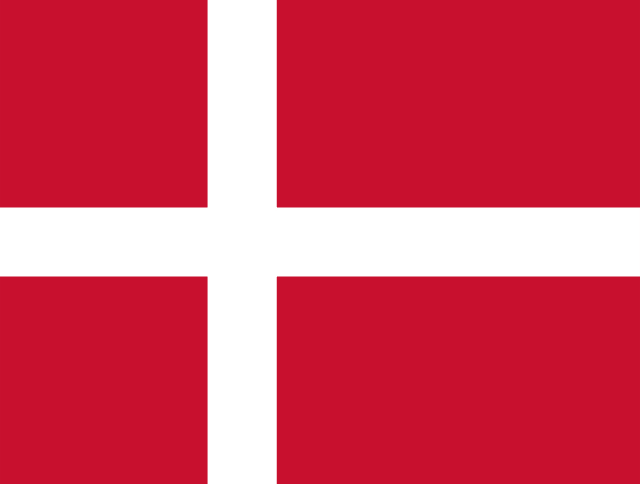
At a Glance
Alliances & Memberships
- EU
- NATO
- UN
- OECD
- Arctic Council
Foreign Policy Overview
Denmark's foreign policy is rooted in multilateralism, close European cooperation, and a strong commitment to international law and human rights. It prioritizes the transatlantic link with the United States while actively engaging in EU foreign policy initiatives. Key areas include promoting green transition, global security, and sustainable development. Denmark has a strong tradition of providing humanitarian assistance and participating in international peacekeeping operations. It also actively champions a rules-based international order and advocates for international cooperation in addressing global challenges like climate change.
Key Positions on Major Issues
Climate: Denmark aims for a 70% reduction in greenhouse gas emissions by 2030 (from 1990 levels) and actively promotes green technologies and international climate cooperation. Security: A staunch NATO ally, Denmark contributes to collective defense, participates in international operations, and advocates for strengthened European defense capabilities. Human Rights: Denmark is a strong proponent of human rights, supporting international conventions and condemning abuses globally. Trade: Denmark champions free trade within the EU and globally, supporting a rules-based multilateral trading system. Regional: Actively involved in Arctic cooperation, advocating for peaceful and sustainable development in the region, and maintaining strong Nordic ties.
UN Voting Record Notes
Denmark consistently votes in alignment with EU consensus at the UN General Assembly. On major security issues, such as the Russia-Ukraine war, Denmark has firmly condemned Russia's aggression, voting in favor of resolutions demanding withdrawal and upholding Ukraine's sovereignty. In votes regarding the Israeli-Palestinian conflict, Denmark typically supports a two-state solution and adherence to international law. Denmark is a strong proponent of resolutions supporting human rights and environmental protection, often co-sponsoring initiatives in these areas.
Economy & Trade
Denmark boasts a modern, open economy with a high reliance on foreign trade. Key sectors include services, manufacturing (especially pharmaceuticals, machinery, and food products), and renewable energy. Major exports include machinery, pharmaceuticals, meat and meat products, and wind turbines. Germany, Sweden, the United States, and Norway are key trade partners. The Danish Krone (DKK) is pegged to the Euro. Challenges include an aging population and maintaining its welfare state model.
Military & Security
The Danish Armed Forces number approximately 20,000 active personnel with a defense budget of around 1.4% of GDP in 2023, aiming to reach 2% by 2030 to meet NATO commitments. Denmark is a founding member of NATO and actively participates in alliance-led operations, including Enhanced Forward Presence deployments. It maintains a non-nuclear status and operates under a doctrine of collective defense within NATO. Key security concerns include Russian assertiveness in the Baltic Sea region, cyber threats, and international terrorism.
Recent History
In the 1990s, Denmark strengthened its integration into the European Union, while maintaining its opt-outs on justice and home affairs, defense, and the euro. The early 2000s saw Denmark's participation in the US-led interventions in Afghanistan and Iraq, sparking significant domestic debate. In 2009, Copenhagen hosted the UN Climate Change Conference (COP15). The 2010s were marked by continued focus on welfare state reforms and navigating various European crises, including the refugee crisis. Following Brexit, Denmark has reaffirmed its commitment to the EU. In 2022, Denmark held a referendum to abolish its opt-out on the EU's Common Security and Defence Policy, which passed overwhelmingly, reflecting a shift in response to the war in Ukraine.
International Memberships
- European Union (EU)since 1973
Joined the European Economic Community (EEC) primarily for economic benefits, integrating its economy into the larger European market after a referendum.
- North Atlantic Treaty Organization (NATO)since 1949
A founding member, motivated by post-World War II security concerns and the emerging Cold War geopolitical landscape, seeking collective defense against Soviet expansion.
- United Nations (UN)since 1945
A founding member, reflecting a commitment to international cooperation, peace, and security in the aftermath of World War II.
- Organisation for Economic Co-operation and Development (OECD)since 1961
Joined the OECD to foster economic growth and world trade, aligning with its goals of promoting policies for better lives.
- Arctic Councilsince 1996
As a state with Arctic territories (Greenland and Faroe Islands), Denmark is a founding member, committed to promoting cooperation on sustainable development and environmental protection in the Arctic.
MUN Negotiation Profile
Denmark is a strong proponent of multilateralism, primarily aligning with the EU bloc and generally within the Western group of nations. It often acts as a bridge-builder between different European factions and maintains a strong transatlantic alliance within NATO.
Denmark generally employs a pragmatic and constructive negotiation style, emphasizing consensus-building and adherence to international norms. It often seeks common ground and acts as a mediator, particularly within EU and Nordic contexts. While firm on its principles, Denmark usually avoids highly confrontational tactics, preferring to influence through reasoned argument and coalition-building with like-minded states.
- Violation of national sovereignty and territorial integrity.
- Undermining international law and human rights.
- Protection of the Arctic environment and indigenous rights.
- Challenges to the rules-based international order.
- "My delegation firmly believes that multilateral cooperation, particularly within the framework of the United Nations and the European Union, is indispensable for addressing shared global challenges."
- "Denmark prioritizes a green transition and urges all member states to commit to ambitious climate targets, ensuring a sustainable future for all."
- "We must uphold international law and human rights without compromise; accountability for violations is paramount to maintaining global peace and security."
- "My delegation emphasizes the critical importance of a stable and peaceful Arctic, advocating for scientific cooperation and sustainable development in the region."
- "Denmark asserts that strengthening international partnerships and investing in development assistance are vital tools for preventing conflict and fostering long-term stability."