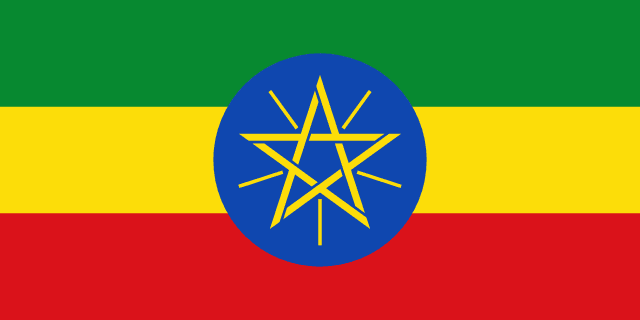
At a Glance
Alliances & Memberships
- UN
- AU (HQ)
- BRICS (since 2024)
- IGAD
- COMESA
Foreign Policy Overview
Recovering from Tigray war; GERD dispute with Egypt/Sudan; Somaliland MOU triggered Somalia crisis; Red Sea access push.
Key Positions on Major Issues
GERD water rights; Red Sea access; African solutions; non-alignment.
UN Voting Record Notes
Often abstains; African consensus; pro-Palestine.
Economy & Trade
Ethiopia is one of the world's fastest-growing economies, heavily reliant on agriculture which employs 80% of the workforce. The economy is transitioning through the Homegrown Economic Reform Agenda, focusing on liberalizing sectors like telecommunications and moving toward a market-based exchange rate for the Birr (ETB). Key exports include coffee, gold, and khat, with major trade partners being China, India, and the UAE. Despite high GDP growth, the nation faces high inflation and significant debt restructuring needs under the G20 Common Framework.
Military & Security
The Ethiopian National Defense Force (ENDF) is one of Africa's largest and most experienced militaries, with approximately 150,000 active personnel. Ethiopia is a non-nuclear state and a leading contributor to UN and AU peacekeeping missions (notably in Sudan and Somalia). Defense policy is focused on internal stability following the Tigray conflict and defending the Grand Ethiopian Renaissance Dam (GERD). Current tensions exist with Somalia over an MOU with Somaliland and with Egypt/Sudan over Nile water rights.
Recent History
Over the last 30 years, Ethiopia transitioned from the long-standing rule of the EPRDF coalition to the current Prosperity Party under Prime Minister Abiy Ahmed, who took office in 2018. While Abiy initially won the Nobel Peace Prize for ending the war with Eritrea, his tenure has been marked by the devastating Tigray War (2020-2022), which concluded with the Pretoria Peace Agreement. Recently, the government has faced internal insurgencies in the Amhara and Oromia regions. Internationally, Ethiopia shocked the region in 2024 by signing a memorandum with Somaliland to gain sea access, straining ties with Mogadishu. The completion and filling of the GERD remains the central pillar of its nationalist foreign policy and development strategy.
International Memberships
- African Union (AU)since 1963
Founding member and host of the AU headquarters in Addis Ababa.
- United Nations (UN)since 1945
Founding member, historically active in peacekeeping operations.
- BRICS+since 2024
Joined as part of the group's expansion to increase Global South influence.
- IGADsince 1986
Principal regional organization for security and economic cooperation in the Horn.
MUN Negotiation Profile
Non-Aligned / Emerging Powers (BRICS+)
Principled and sovereignty-focused; emphasizes Pan-Africanism and regional hegemony.
- External interference in the management of the Grand Ethiopian Renaissance Dam (GERD).
- Challenge to central government sovereignty over internal regional boundaries.
- Any international recognition of maritime agreements that bypasses Ethiopia's pursuit of sea access.
- "The GERD is a sovereign development project essential for lifting millions out of energy poverty."
- "Solutions to African problems must be African-led, rejecting Western-imposed sanctions or interventions."
- "Ethiopia requires permanent and reliable access to a sea port to ensure long-term economic security."