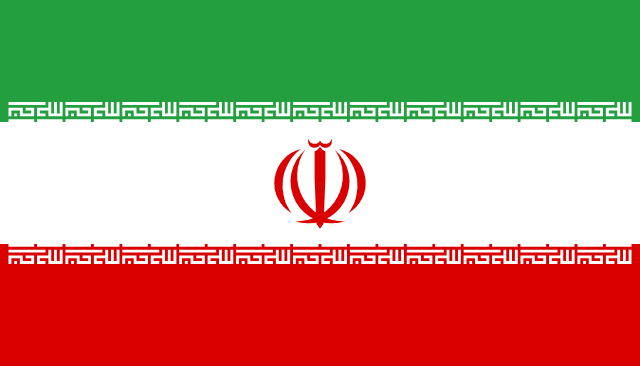
At a Glance
Alliances & Memberships
- Non-Aligned Movement (NAM)
- Shanghai Cooperation Organisation (SCO) (Full Member 2023)
- BRICS+ (Joined Jan 2024)
- OPEC
- Organization of Islamic Cooperation (OIC)
- G77
- Economic Cooperation Organization (ECO)
Foreign Policy Overview
Tehran pursues a doctrine of 'Strategic Depth' and 'Look to the East' (Gahmb-e Dovom), prioritizing ties with China and Russia to bypass Western economic hegemony. Central to its regional posture is the 'Axis of Resistance,' a network of state and non-state actors (Syria, Hezbollah, Hamas, Houthis) intended to deter Israeli and US influence. Iran demands the total withdrawal of US military forces from West Asia and advocates for a regional security architecture excluding external powers. Its policy is defined by an absolute refusal to renegotiate the JCPOA outside original terms and a rejection of the 'Special Rapporteur' on its domestic human rights situation, viewing it as a tool of Western interference. Iran maintains that its nuclear program is exclusively peaceful under the NPT.
Key Positions on Major Issues
CLIMATE: Demands 'Common But Differentiated Responsibilities' (CBDR); argues sanctions prevent access to green tech and transition funding. SECURITY: Calls for a Middle East Nuclear-Weapon-Free Zone (MENWFZ) including Israel. Rejects UN oversight on ballistic missile development, citing sovereign defense needs. HUMAN RIGHTS: Opposes 'Western universality'; promotes Islamic Human Rights. Rejects UN General Assembly resolutions condemning its internal security measures. TRADE: Actively pursuing de-dollarization through BRICS and SCO. Demands lifting of all 'Unilateral Coercive Measures' (sanctions). REGIONAL: Rejects the 'Abraham Accords' as a betrayal of Palestine. Supports a one-state solution for Palestine via referendum of all original inhabitants.
UN Voting Record Notes
Consistently votes 'No' on resolutions criticizing its human rights record (e.g., A/C.3/78/L.41). Votes with the 'Group of Friends in Defense of the Charter of the UN.' Supports Russia on several General Assembly votes regarding Ukraine (Abstention or Absence). Votes in favor of all pro-Palestinian resolutions and against any resolution referring to Israel as a 'democracy.'
Economy & Trade
GDP Composition: Services (55%), Industry (35%), Agriculture (10%). Major Industries: Petroleum, petrochemicals, gas, textiles, construction materials. Exports: Crude oil, ethylene, polymers, fruits, nuts. Currency: Iranian Rial (IRR). Major Trade Partners: China (primary), UAE, India, Turkey, Russia. Note: Significant 'shadow economy' due to US-led secondary sanctions.
Military & Security
Total Personnel: ~610,000 active. Doctrine: Asymmetric warfare, 'Forward Defense.' Spending: ~2.5-3% of GDP. WMD Status: Signatory to NPT and CWC; denies existence of nuclear weapons program; Fatwa by Supreme Leader prohibits nuclear weapons. Key forces: Islamic Revolutionary Guard Corps (IRGC) and Artesh (Regular Army). Holds the largest ballistic missile and drone arsenal in West Asia.
Recent History
The 2015 JCPOA (Nuclear Deal) initially promised economic relief but the 2018 US withdrawal and 'Maximum Pressure' campaign crippled the economy. The 2020 assassination of Qasem Soleimani escalated tensions with the US to a near-war state. Following the 2022 death of Mahsa Amini, the country faced significant civil unrest, which the government attributed to foreign instigation. In 2023, Iran restored diplomatic ties with Saudi Arabia via Chinese mediation, signaling a shift in regional dynamics. Tragic death of President Raisi in 2024 has triggered an early election cycle during heightening tensions with Israel.
International Memberships
- United Nationssince 1945
Founding member; permanent seat on various commissions despite friction.
- OPECsince 1960
Central to oil price coordination and national revenue.
- Shanghai Cooperation Organisation (SCO)since 2023
Accession signifies a major shift toward Eurasian integration.
- Non-Aligned Movement (NAM)since 1979
Key platform for advocating for the Global South.
- BRICS+since 2024
Membership used to bypass SWIFT and US-centric financial systems.
MUN Negotiation Profile
Leader of the Anti-Hegemonic / NAM Bloc
Rigid, legalistic, highly focused on sovereignty and reciprocity. Utilizes historical grievances (1953 Coup, Iran-Iraq War) as rhetorical leverage.
- Any mention of the IRGC as a terrorist organization in UN resolutions.
- Interference in Iran's internal judicial processes or 'Morality Police' mandates.
- Attempts to include ballistic missiles or regional influence in nuclear talks.
- Recognition of the Zionist entity (Israel) or its 'right to exist' in official documents.
- "The Islamic Republic of Iran will not negotiate its sovereign right to self-defense under the shadow of illegal threats and unilateral sanctions."
- "Western powers must answer for their 'human rights' hypocrisy while they provide the bombs used against the children of Gaza and Yemen."
- "We remind this committee that the JCPOA was not violated by Tehran, but by the United States, which continues to use economic terrorism as a weapon."
- "True regional security cannot be imported from 10,000 miles away; it must be built by the nations of the Persian Gulf, without foreign interference."
- "Iran stands at the forefront of the fight against global arrogance and the neo-colonialist imposition of so-called universal values."