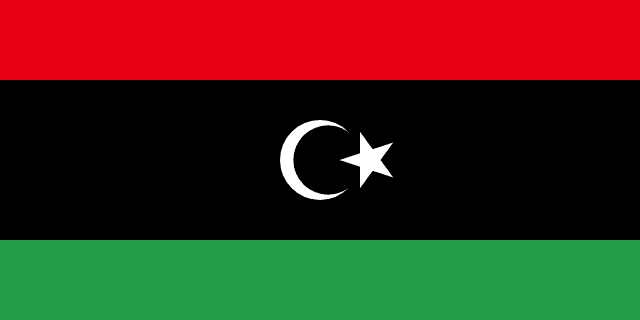
At a Glance
Alliances & Memberships
- UN
- AU
- Arab League
- OIC
- OPEC
Foreign Policy Overview
Frozen civil conflict since 2011; Turkey backs west, Russia/Egypt/UAE back east; oil production restored.
Key Positions on Major Issues
Reunification; foreign troop withdrawal; oil revenue sharing; migration.
UN Voting Record Notes
Arab/African consensus when unified.
Economy & Trade
Libya's economy is heavily dominated by the oil and gas sector, which accounts for approximately 95% of export earnings and 60% of GDP. The country uses the Libyan Dinar (LYD) and relies significantly on imports for food, machinery, and consumer goods due to a limited domestic manufacturing base. Key trade partners include Italy, China, Germany, and Spain, with the National Oil Corporation (NOC) acting as the primary economic engine. Significant structural challenges remain, including high public sector wage bills and a fractured central bank system trying to reunify after years of civil strife.
Military & Security
Libya's military landscape is characterized by a lack of a unified national force, instead split between the Libyan National Army (LNA) in the east and various Tripoli-aligned groups in the west. Defense spending is difficult to track accurately due to fragmented governance, but a significant portion of the budget is diverted to armed factions and militia salaries. The country remains under a UN arms embargo, though foreign military presence and mercenaries (notably the Wagner Group and Turkish forces) persist. Libya does not possess nuclear weapons, having dismantled its WMD program in 2003, and currently focuses defensive doctrine on counter-terrorism and border control against smuggling.
Recent History
Following the 2011 uprising and the fall of Muammar Gaddafi, Libya entered a prolonged period of instability and civil war. The 2015 Skhirat Agreement established the Government of National Accord (GNA), but it failed to consolidate control, leading to a major offensive by Khalifa Haftar's LNA against Tripoli in 2019. A 2020 ceasefire led to the formation of the Government of National Unity (GNU) in 2021 via the UN-led Libyan Political Dialogue Forum. However, the postponement of elections scheduled for December 2021 created a new political vacuum, resulting in a dual-administration standoff between Tripoli and Benghazi. Current foreign policy is shaped by efforts to maintain the fragile ceasefire while navigating the interests of regional powers like Turkey, Egypt, and the UAE.
International Memberships
- African Union (AU)since 1963
Founder member; central to regional identity and policy coordination.
- Arab Leaguesince 1953
Key platform for Pan-Arab cooperation and regional security discussions.
- OPECsince 1962
Libya's primary economic influence comes through its crude oil production quotas and pricing power.
- Arab Maghreb Union (AMU)since 1989
Regional economic union currently facing stagnation due to political divides.
- Organization of Islamic Cooperation (OIC)since 1969
Active participant in Islamic solidarity and cultural initiatives.
MUN Negotiation Profile
Non-Aligned Movement / African Group / Arab League (Balanced between West and East)
Pragmatic, cautious, and sovereignty-focused; often acts as a bridge between African and Arab interests while seeking international legitimacy.
- Direct foreign military intervention without mandate from a unified Libyan government.
- External interference in the management and distribution of Libyan oil revenues.
- Attempts to impose a specific political roadmap that bypasses Libyan-led national reconciliation.
- "The immediate withdrawal of all foreign fighters, mercenaries, and foreign forces from Libyan territory."
- "The necessity of holding national elections based on a consensus-driven constitutional framework."
- "International cooperation to curb illegal migration through the Mediterranean while respecting human rights and national sovereignty."