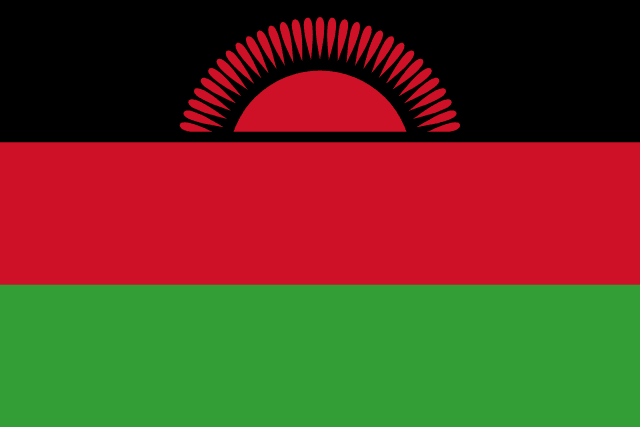
At a Glance
Alliances & Memberships
- UN
- AU
- SADC
- COMESA
- Commonwealth
Foreign Policy Overview
Recognizes Taiwan? (No — switched to PRC 2008). Aid-dependent; climate-vulnerable; tobacco exports.
Key Positions on Major Issues
Climate adaptation; food security; democratic stability.
UN Voting Record Notes
African consensus.
Economy & Trade
Malawi's economy is heavily dependent on agriculture, which contributes nearly 30% of the GDP and employs 80% of the workforce. Key exports include tobacco (accounting for over 50% of foreign earnings), tea, sugar, and cotton, while the nation relies on imports for petroleum products and industrial machinery. The currency is the Malawi Kwacha (MWK), which has faced significant devaluation recently as the government implements IMF-backed structural reforms to manage a high debt-to-GDP ratio. Top trading partners include South Africa, China, and neighboring Zimbabwe and Mozambique.
Military & Security
The Malawi Defence Force (MDF) is a professional volunteer force consisting of approximately 10,000 active personnel. Malawi maintains a non-nuclear status and follows a doctrine of regional stability, frequently contributing troops to UN and SADC peacekeeping missions in the DRC and Mozambique. Defense spending is modest, usually hovering around 0.8% to 1% of GDP, and the country maintains strong military cooperation agreements with the United Kingdom and the United States. Malawi is not part of any formal mutual defense treaties outside of the SADC's collective security arrangements.
Recent History
Following thirty years of one-party rule under Hastings Banda, Malawi transitioned to a multi-party democracy in 1994. The last 30 years have been marked by peaceful transfers of power, though the 2019 presidential election was notably annulled by the Constitutional Court due to irregularities, leading to a historic re-run in 2020 won by Lazarus Chakwera. Under the 'Malawi 2063' vision, the state aims to become a self-reliant, industrialized upper-middle-income country. However, foreign policy has been recently dominated by recovery efforts from devastating climatic events like Cyclone Freddy (2023) and the ongoing 'EL Niño' induced drought. These challenges have forced Malawi to pivot toward aggressive climate diplomacy and international appeals for food security.
International Memberships
- Southern African Development Community (SADC)since 1980
Founding member; central to Malawi's regional economic and security policy.
- African Union (AU)since 1964
Active participant in peacekeeping missions and regional agricultural initiatives.
- Common Market for Eastern and Southern Africa (COMESA)since 1994
Critical for trade liberalization and infrastructure development within East and Southern Africa.
- United Nations (UN)since 1964
Regular participant in UN peacekeeping (MONUSCO) and human rights councils.
MUN Negotiation Profile
Non-Aligned/Pro-Western/SADC Common Interest
Conciliatory and multilateral; focuses on consensus-building and seeking developmental aid through diplomatic compliance.
- Encroachment on national sovereignty via conditional aid that mandates specific domestic social legislation.
- Any reduction in international climate finance for 'Loss and Damage' affecting LDCs.
- Violations of the SADC Protocol on Politics, Defence and Security Cooperation.
- "The urgent need for debt restructuring and relief for Least Developed Countries (LDCs) to ensure fiscal stability."
- "Global North accountability for climate change, specifically regarding agricultural resilience in landlocked nations."
- "Strengthening the African Continental Free Trade Area (AfCFTA) to reduce dependence on raw tobacco exports."