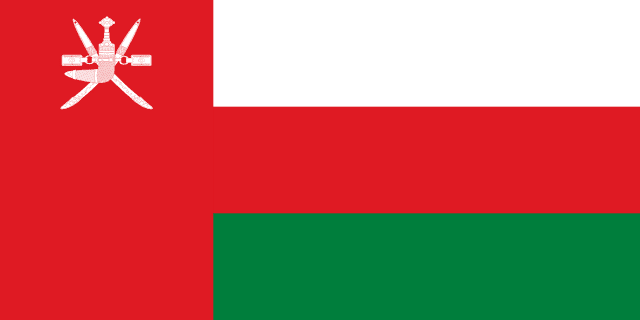
At a Glance
Alliances & Memberships
- GCC (Gulf Cooperation Council)
- Arab League
- OIC (Organization of Islamic Cooperation)
- Indian Ocean Rim Association (IORA)
- Non-Aligned Movement (NAM)
- United Nations
Foreign Policy Overview
Oman follows the doctrine of 'Friend to all, enemy to none,' characterized by strict neutrality and mediation. It maintains unique ties with both Iran and the United States, acting as a backchannel for Western-Iranian diplomacy. Sultan Haitham bin Tariq has continued the legacy of the late Sultan Qaboos, prioritizing regional stability and the 'Omani Way' of quiet diplomacy. Oman remains neutral in the Yemen conflict and the previous Qatar blockade, positioning itself as the 'Switzerland of the Middle East.' It avoids interference in the internal affairs of other states while promoting maritime security in the Strait of Hormuz.
Key Positions on Major Issues
Climate: Committed to Net Zero by 2050; developing the world's largest green hydrogen plants in Duqm to diversify from fossil fuels. Security: Advocates for the demilitarization of the Strait of Hormuz and diplomatic resolution to the Yemen crisis. Human Rights: Emphasizes 'Omani values' and gradual reform; maintains a cautious stance on universalist Western frameworks regarding freedom of assembly. Trade: Strong supporter of the GCC Customs Union and the 2009 US-Oman Free Trade Agreement. Regional: Supports a two-state solution for Israel-Palestine based on 1967 borders and maintains functional relations with all regional actors including Syria and Iran.
UN Voting Record Notes
Oman typically votes with the Arab Group on Palestinian issues (supporting UNRWA and Palestinian statehood). It frequently abstains or votes 'Yes' on resolutions promoting dialogue and de-escalation. Notably, Oman has abstained on certain resolutions involving the Syrian civil war to maintain its role as a mediator, and it consistently supports UN-led peace processes in Yemen.
Economy & Trade
GDP Composition: Services (50.5%), Industry/Oil (46.8%), Agriculture (2.7%). Major Exports: Crude petroleum (43%), Petroleum gas (14%), Iron/Steel (7%). Key Partners: China (45% of exports), UAE, India, Saudi Arabia, USA. Currency: Omani Rial (OMR), pegged to the USD at 1 OMR = 2.60 USD. Vision 2040 aims to diversify via logistics, fisheries, and tourism.
Military & Security
Royal Armed Forces (RAF) count approx. 45,000 active personnel. Defense spending is roughly 6-7% of GDP (among the highest globally). Doctrine is purely defensive, focused on maritime surveillance and border protection. Oman hosts the 'British Joint Logistics Support Base' at Duqm and allows US access to Al Musannah Air Base. Non-nuclear state; signatory to NPT.
Recent History
The 'Renaissance' period (1970-2020) under Sultan Qaboos transformed the nation from an isolated state to a modern hub. The 2011 Arab Spring protests in Oman led to increased social spending and legislative powers for the consultative Shura Council. The 2020 transition of power to Sultan Haitham was remarkably smooth, occurring within hours of Qaboos’ death. Since 2020, Oman has implemented 'Oman Vision 2040' and the 'Medium-Term Fiscal Plan' to reduce debt and dependence on oil amidst fluctuating global prices.
International Memberships
- Gulf Cooperation Council (GCC)since 1981
Founding member; central to regional economic and security integration.
- Indian Ocean Rim Association (IORA)since 1997
Oman is a key maritime player in IORA, hosting the Secretariat's water center.
- Non-Aligned Movement (NAM)since 1973
Foundational to Oman's 'neutral' and 'non-interventionist' foreign policy identity.
- Arab Leaguesince 1971
Full member participating in regional diplomatic initiatives.
- World Trade Organization (WTO)since 2000
Engages in global trade frameworks while protecting domestic industries.
MUN Negotiation Profile
Moderate/Neutral Arab Bloc; Non-Aligned Movement.
Quiet, bridge-building, consensus-oriented. Oman is often the 'silent partner' in negotiations.
- Infringement on Omani sovereignty or territorial waters in the Strait of Hormuz.
- Direct military intervention in neighboring sovereign states (specifically Yemen).
- International mandates that bypass the Sultan's absolute authority over internal governance.
- Sanctions regimes that target the Omani people or hinder humanitarian channels to conflict zones.
- "As the bridge between the East and the West, Oman stands ready to facilitate a neutral space for this dialogue to proceed."
- "My delegation reminds the committee that stability in the Strait of Hormuz is a global necessity, not just a regional preference."
- "We must emphasize the Omani principle of non-interference; the internal affairs of a state belong to its people alone."
- "Development and peace are two sides of the same coin; we cannot have security without the economic diversification Oman 2040 envisions."
- "Oman calls for the immediate prioritization of humanitarian corridors, as we have successfully negotiated in regional contexts before."