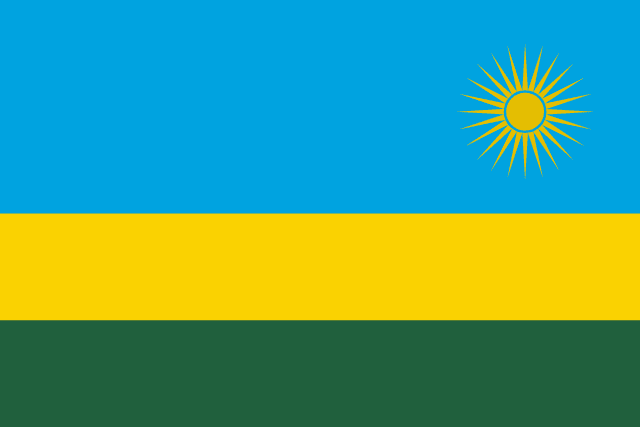
At a Glance
Alliances & Memberships
- UN
- AU
- EAC
- COMESA
- Commonwealth (chair 2022-24)
- OIF
Foreign Policy Overview
M23 conflict accusations from DRC and West (sanctioned 2024); UK-Rwanda asylum deal scrapped; troops in Mozambique and CAR; 1994 genocide remembrance.
Key Positions on Major Issues
Sovereignty over M23 accusations; African solutions; counter-genocide ideology law.
UN Voting Record Notes
African consensus; abstains on Russia.
Economy & Trade
Rwanda's economy is centered on services (45% of GDP) and agriculture (25%), with a rapidly growing focus on tourism and ICT. Key exports include gold, coffee, tea, and tin, primarily trading with the UAE, DR Congo, and China. The Rwandan Franc (RWF) remains relatively stable, though the country maintains a high debt-to-GDP ratio as it invests heavily in infrastructure projects like the Bugesera International Airport. The government's 'Vision 2050' aims to transition Rwanda into a high-income, knowledge-based economy.
Military & Security
The Rwanda Defence Force (RDF) consists of approximately 33,000 active personnel and is highly regarded for its discipline and expeditionary capabilities. Rwanda is one of the world's largest contributors to UN peacekeeping operations and maintains bilateral security deployments in Mozambique and the Central African Republic. Defense spending is roughly 1.5-2% of GDP. While Rwanda holds no WMDs, its security doctrine is defined by a 'never again' post-genocide ethos, prioritizing proactive intervention against threats like the FDLR.
Recent History
Following the 1994 Genocide against the Tutsi, the Rwandan Patriotic Front (RPF) took power, initiating a period of rapid reconstruction and centralisation under President Paul Kagame. The late 1990s and early 2000s were dominated by involvement in the First and Second Congo Wars, citing the need to neutralize genocidal remnants (FDLR). Domestic policy has focused on 'Gacaca' courts for reconciliation and the MDGs/SDGs, achieving significant poverty reduction. Tensions with the DR Congo have resurged in the 2020s over allegations of Rwanda's support for M23 rebels, which Kigali denies while citing DRC's collaboration with the FDLR. In 2022, Rwanda hosted CHOGM, cementing its status as a major diplomatic hub.
International Memberships
- United Nations (UN)since 1962
Rwanda is a leading contributor of personnel to UN missions, particularly in CAR and South Sudan.
- African Union (AU)since 1963
Active member in regional integration; Kigali hosts the AfCFTA Secretariat's legal home through various protocols.
- Commonwealth of Nationssince 2009
Joined despite no colonial links to the UK to diversify diplomatic and economic partnerships.
- East African Community (EAC)since 2007
Crucial for regional trade and security cooperation in the Great Lakes region.
MUN Negotiation Profile
African Union / Non-Aligned Movement (NAM); increasingly bridges Anglophone and Francophone blocs.
Highly disciplined, results-oriented, and firm on matters of national sovereignty and regional security.
- Any external interference in domestic judicial processes related to the 1994 Genocide against the Tutsi.
- Compromise on the disarmament of the FDLR or other genocidal forces in the Great Lakes region.
- Unilateral sanctions or aid conditionality linked to internal security policies.
- "Advocating for 'African solutions to African problems' through increased funding for AU-led peace operations."
- "Demanding global climate justice and the operationalization of the Loss and Damage Fund for vulnerable nations."
- "Promoting digital transformation and the reduction of the digital divide in the Global South."