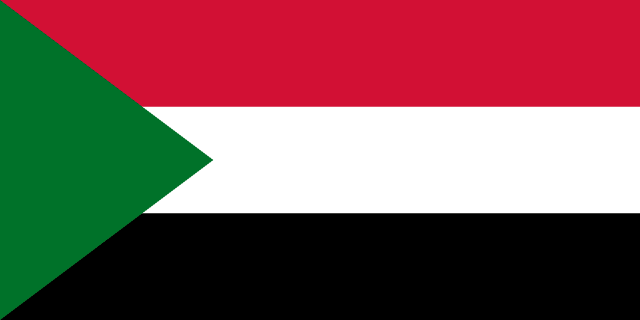
At a Glance
Alliances & Memberships
- UN
- AU (suspended)
- Arab League
- OIC
- IGAD
Foreign Policy Overview
Catastrophic civil war; ~10M displaced; UAE accused of arming RSF; Egypt and Saudi Arabia back SAF; famine declared.
Key Positions on Major Issues
Sovereignty; war ended on SAF terms (govt position); humanitarian access.
UN Voting Record Notes
Arab/African consensus when functioning; pro-Palestine.
Economy & Trade
Sudan's economy is severely crippled by the ongoing civil war between the SAF and RSF, characterized by extreme inflation and a collapsing Sudanese Pound (SDG). The nation is historically reliant on gold exports and oil transit fees from South Sudan, with agriculture (livestock, gum arabic, sesame) previously employing 80% of the workforce. Global trade is dominated by partnerships with the UAE, China, and Saudi Arabia, though sanctions and conflict have shuttered most formal industrial output as of 2024-2025.
Military & Security
The security landscape is dominated by a brutal conflict between the Sudanese Armed Forces (SAF), led by Gen. al-Burhan, and the Rapid Support Forces (RSF), led by 'Hemedti'. Defense spending is opaque but prioritized over all social sectors, with heavy reliance on Turkish, Iranian, and Russian-made hardware. While Sudan is not a nuclear state, the presence of the Russian Wagner Group and concerns over Red Sea naval base ambitions (Port Sudan) remain high-profile geopolitical issues. Sudan's military doctrine is currently focused on internal survival, urban warfare, and maintaining control over the Red Sea coast.
Recent History
The last 30 years in Sudan have been defined by the 30-year rule of Omar al-Bashir, which ended in a 2019 popular uprising followed by a volatile civilian-military transition. The 2011 secession of South Sudan cost the north 75% of its oil revenue, sparking chronic economic instability. A military coup in October 2021 derailed the democratic transition led by PM Abdalla Hamdok. In April 2023, the uneasy alliance between the SAF and RSF collapsed into a full-scale civil war, creating the world's largest displacement crisis. Current foreign policy is dictated by the SAF-led Transitional Sovereignty Council's search for international legitimacy and military support.
International Memberships
- African Union (AU)since 1963
Currently suspended due to the 2021 military coup and ongoing conflict.
- IGADsince 1986
Founding member; central to regional peace mediation efforts.
- Arab Leaguesince 1956
Key regional alignment for cultural and economic cooperation.
- United Nations (UN)since 1956
Sudan remains one of the largest recipients of UN humanitarian aid.
MUN Negotiation Profile
Deeply fragmented; the SAF leans toward Egypt, Saudi Arabia, and Iran, while the RSF has historically maintained ties with the UAE and Wagner Group elements.
Abrasive and survivalist; Sudanese diplomats often leverage the threat of regional spillover and migration crises to secure aid or legitimacy.
- Any UN-mandated intervention or 'boots on the ground' that bypasses SAF sovereign approval.
- International recognition of the RSF as a legitimate governing body or co-equal state actor.
- External interference in the management of the Nile waters (GERD dispute) that ignores Sudanese safety concerns.
- "The SAF represents the only legitimate sovereign representative of the Sudanese people against a rebel militia."
- "Immediate lifting of unilateral sanctions to allow for the import of food, medicine, and fuel."
- "Demand for international pressure on regional actors allegedly arming the RSF."