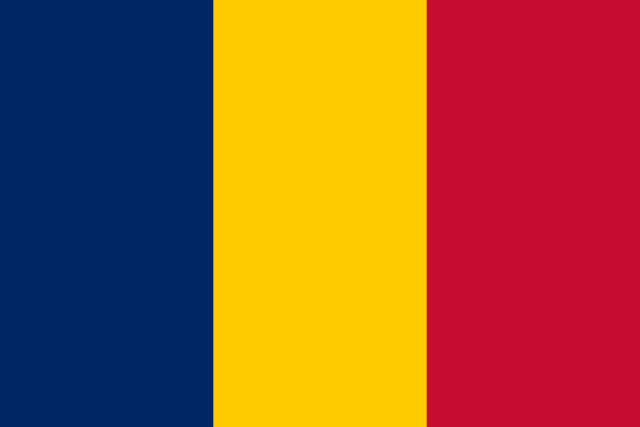
At a Glance
Alliances & Memberships
- UN
- AU
- ECCAS
- OIC
- G5 Sahel (defunct)
Foreign Policy Overview
Ended French military deal (2024); flirting with Russia; counterterrorism in Lake Chad Basin.
Key Positions on Major Issues
Counterterrorism; sovereignty over French presence; Sudan refugee crisis on border.
UN Voting Record Notes
Abstains on contentious votes; African consensus.
Economy & Trade
Chad's economy is heavily dependent on the oil sector, which contributes roughly 60% of export revenues, following the 2003 completion of the Chad-Cameroon pipeline. Agriculture employs the majority of the population, focusing on cotton, livestock, and gum arabic, though it remains vulnerable to climate change and desertification. The nation uses the Central African CFA Franc (XAF) and remains one of the world's poorest countries with a high dependency on international aid. Top trading partners include the United Arab Emirates, China, and France for exports, while imports are dominated by China and France.
Military & Security
The Chadian National Army (ANT) is considered one of the most effective and battle-hardened forces in Central Africa, with approximately 30,000 active personnel. Defense spending is substantial, often exceeding 3% of GDP, prioritized due to persistent threats from Boko Haram, ISWAP, and domestic rebel groups like FACT. Chad is a key Western ally in the Sahel, hosting the headquarters for France's Operation Barkhane (now reorganized) and enjoying close security cooperation with the United States. The country does not possess WMDs and maintains a doctrine focused on regional stability and counter-insurgency.
Recent History
Since the 1990s, Chad's history has been dominated by the 30-year rule of President Idriss Déby, who consolidated power through military strength and oil wealth. His death on the front lines against FACT rebels in April 2021 led to the installation of the Transitional Military Council (CMT) headed by his son, Mahamat Idriss Déby. This transition period was extended following the 'Black Thursday' protests in 2022, leading to a controversial referendum and subsequent elections in May 2024 that formalized Mahamat Déby's presidency. Throughout this period, Chad has transitioned from a civil-war-torn state to a regional 'security provider,' intervening in Mali and the CAR. However, it currently faces an immense humanitarian crisis, hosting over a million refugees, primarily from the ongoing conflict in neighboring Sudan.
International Memberships
- African Union (AU)since 1963
Founding member; central to regional security and integration.
- G5 Sahel (currently fractured)since 2014
Active participant in regional counter-terrorism efforts.
- CEMACsince 1994
Major regional economic and monetary union.
- Lake Chad Basin Commission (LCBC)since 1964
Focus on transboundary water management and security.
MUN Negotiation Profile
Francophone / Pro-Western / African Union Centralist
Pragmatic and securitized; Chad often trades its military contributions to regional peacekeeping for diplomatic leniency on domestic political transitions.
- Any intervention or criticism regarding the internal political transition following the death of Idriss Déby.
- Reductions in international funding for counter-terrorism efforts in the Sahel.
- Infringement on sovereign rights to manage oil and natural resources.
- "The international community must provide more logistical and financial support for the Multinational Joint Task Force (MNJTF)."
- "Debt relief and climate financing are essential for stabilizing the Sahel and preventing mass migration."
- "Chad remains a 'bulwark' against extremism and requires stable partnerships rather than punitive sanctions during its democratic transition."