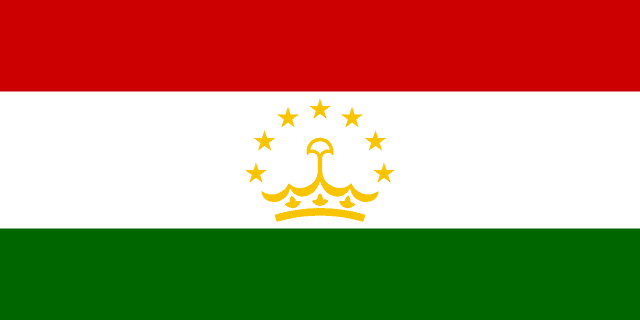
At a Glance
Alliances & Memberships
- CSTO
- SCO
- CIS
- ECO
- OSCE
- OIC
Foreign Policy Overview
Tajikistan pursues an 'Open Door' policy, balancing relations between traditional security guarantor Russia and primary investor China. A central pillar of its policy is the containment of instability from neighboring Afghanistan, focusing on border security and counter-terrorism. Dushanbe maintains a firm secular posture and opposes religious extremism, often collaborating with the SCO's Regional Anti-Terrorist Structure (RATS). Relations with Kyrgyzstan are currently strained due to frequent border skirmishes in the Isfara Valley. The state prioritizes water diplomacy, asserting its rights as an upstream nation in the Syr Darya and Amu Darya basins. Despite its proximity to the West on counter-narcotics, it remains firmly within the Moscow-Beijing security orbit.
Key Positions on Major Issues
CLIMATE: Focuses on glacier melting in the Pamirs; host of the 'Water for Sustainable Development' decade. Calls for international funds for mountain ecosystem preservation. SECURITY: Zero tolerance for Taliban-linked militancy; demands a representative government in Kabul. Strong advocate for the 'CSTO security belt' around Afghanistan. HUMAN RIGHTS: Prioritizes national stability over Western-style civil liberties; frequently criticized for restrictions on religious expression and political opposition. TRADE: Seeking WTO compliance and integration into China's Belt and Road Initiative (BRI) to transition from a transit-deadlock to a regional hub. REGIONAL: Firm stance on 'upstream' rights in Central Asian water disputes; insists on the construction of the Rogun Dam despite downstream concerns.
UN Voting Record Notes
Typically votes with Russia/China on sovereignty-related issues. Abstained or voted against UN resolutions condemning Russian actions in Ukraine to maintain strategic neutrality. Consistently votes for resolutions regarding Palestinian statehood and water-related SDGs. Vigorously opposes resolutions targeting its domestic human rights record.
Economy & Trade
GDP composition: Agriculture 20%, Industry 25%, Services 55%. Major exports: Aluminum, cotton, gold, and electricity. Heavy reliance on remittances (approx. 30-50% of GDP historically) from migrant workers in Russia. Currency: Somoni (TJS). Major partners: Russia, China, Kazakhstan, Turkey. Progressing on the Rogun Dam project to become a major regional energy exporter.
Military & Security
Active personnel: approx. 9,000-15,000. Defense spending: ~1% of GDP. Hosts Russia's 201st Military Base (largest Russian base abroad). Member of CSTO. Doctrine focuses on asymmetric border defense and counter-insurgency. Non-nuclear state. Recent acquisition of Iranian and Turkish UAV technology.
Recent History
The 1992-1997 Civil War between the government and the United Tajik Opposition (UTO) remains the defining event of modern Tajik politics, leading to President Rahmon's consolidated power. The 2010s saw the banning of the Islamic Renaissance Party (IRPT) and a shift toward strict secularism. Since the 2021 Taliban takeover of Afghanistan, Tajikistan has emerged as the most vocal regional critic of the regime in Kabul, refusing to engage diplomatically with the Taliban. 2022 marked a significant escalation in border violence with Kyrgyzstan, involving heavy weaponry and civilian displacements.
International Memberships
- CSTO (Collective Security Treaty Organization)since 1994
Founding member; relies on Article 4 for border security against Afghan threats.
- SCO (Shanghai Cooperation Organisation)since 2001
Key platform for counter-terrorism and Chinese infrastructure investment.
- WTO (World Trade Organization)since 2013
Integrated into the international trade system and intellectual property frameworks.
- United Nationssince 1992
Primary forum for international aid, development, and human rights monitoring.
MUN Negotiation Profile
CSTO/SCO Bloc (Pro-Russia/China regionalist)
Stolid, security-focused, cautious of foreign intervention in domestic governance.
- Any recognition of the Taliban government without the inclusion of ethnic Tajiks.
- Foreign interference in the management of national water resources/Rogun Dam.
- Critique of the internal secular legal framework or 'Law on Traditions'.
- Western-led sanctions that target Russian-integrated financial systems.
- "Tajikistan stands as the frontline shield against the spread of extremism and narcotics emanating from the Afghan vacuum."
- "We urge the international community to recognize that our glaciers are the water towers of Central Asia and require urgent protection."
- "Development cannot occur without security; my delegation highlights the indispensable role of the CSTO in maintaining regional equilibrium."
- "Sustainable water management must respect the sovereign rights of upstream nations to develop their hydropower potential."
- "We call for a multi-polar world order where the specific cultural and historical contexts of Central Asian states are respected."