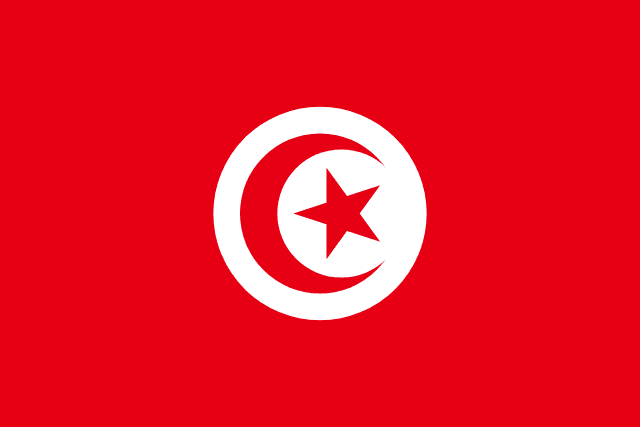
At a Glance
Alliances & Memberships
- UN
- AU
- Arab League
- OIC
- Arab Maghreb Union
Foreign Policy Overview
Saied's authoritarian shift; rejected EU migration deal terms; closer Algeria ties; pro-Palestine; criminalized normalization with Israel debated.
Key Positions on Major Issues
Migration sovereignty; pro-Palestine; sub-Saharan migrant policy controversies.
UN Voting Record Notes
Arab/African consensus; strongly pro-Palestine.
Economy & Trade
Tunisia has a diversified but strained economy based on services, tourism, manufacturing, agriculture, phosphates, and mechanical/electrical exports linked to European supply chains. The Tunisian Dinar (TND) is the national currency, and major trade partners include the European Union—especially France, Italy, and Germany—along with Algeria and China. Tourism and remittances are important sources of foreign exchange, while public debt, unemployment, inflation, and shortages have increased pressure on the state. Negotiations with international lenders have been politically sensitive, as President Saied has rejected austerity conditions he frames as threats to sovereignty.
Military & Security
Tunisia maintains a medium-sized professional military focused on border security, counter-terrorism, and internal stability, especially along the Libya and Algeria borders. It is a Major Non-NATO Ally of the United States and receives training and equipment from Western partners while also maintaining Arab and African security ties. Defense spending is moderate, and the country has no nuclear weapons or WMD programs. The main security concerns are jihadist networks, smuggling, migration routes, domestic political tension, and spillover from Libya.
Recent History
Tunisia's modern politics were transformed by the 2010-2011 revolution that removed President Zine El Abidine Ben Ali and launched the Arab Spring. The following decade included democratic constitution-making, coalition governments, terrorism shocks in 2015, and economic frustration. In 2021 President Kais Saied suspended parliament and later rewrote the constitution, concentrating executive power and weakening checks on the presidency. The 2020s have brought arrests of opposition figures, pressure on civil society, disputes with the EU over migration cooperation, and recurring debates over Tunisia's democratic backsliding. Foreign policy now emphasizes sovereignty, Arab-African identity, and strong support for Palestine.
International Memberships
- United Nationssince 1956
Joined after independence and has served multiple terms on the UN Security Council.
- African Unionsince 1963
Founding OAU member; uses AU platforms on development, migration, and North African cooperation.
- League of Arab Statessince 1958
Central forum for Tunisia's Arab diplomacy and Palestine policy.
- Organisation of Islamic Cooperationsince 1969
Supports OIC consensus positions on Palestine and Islamic solidarity.
- World Trade Organizationsince 1995
Joined as part of trade liberalization and export-oriented manufacturing integration.
MUN Negotiation Profile
Arab Group / African Group / G77, with Mediterranean ties to Europe.
Sovereignty-first and cautious; often accepts consensus language but resists external conditionality on migration, finance, or domestic governance.
- Foreign-imposed political conditions on economic assistance.
- Normalization language that appears to abandon Palestinian rights.
- Migration agreements that treat Tunisia as a permanent border-processing zone for Europe.
- International interference in constitutional or judicial affairs.
- "Tunisia will cooperate with partners, but it will not accept solutions that compromise national sovereignty or social stability."
- "Migration must be addressed at its roots through development, legal pathways, and shared responsibility—not by outsourcing the crisis to transit states."
- "The Palestinian people deserve full protection under international law and a just political solution."
- "Economic reform must protect dignity and social cohesion, not impose hardship on ordinary citizens."