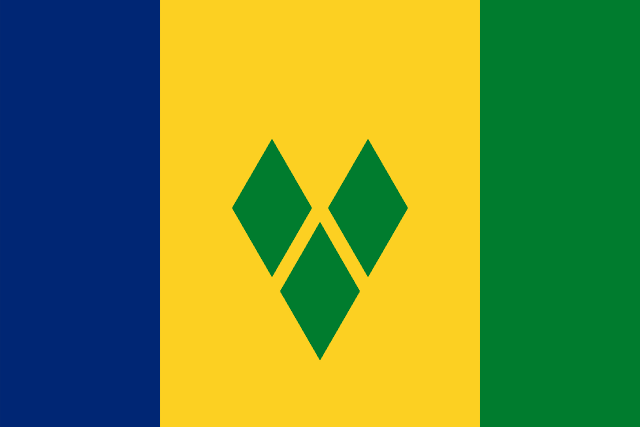
At a Glance
Alliances & Memberships
- UN
- CARICOM
- OECS
- ALBA
- Commonwealth
- OAS
- AOSIS
Foreign Policy Overview
Gonsalves long-tenured leader; ALBA member; UNSC non-permanent 2020-21; Venezuela mediator.
Key Positions on Major Issues
Pro-Palestine; Venezuela dialogue; climate; reparations leader.
UN Voting Record Notes
CARICOM/ALBA mix; pro-Palestine.
Economy & Trade
The economy is heavily dependent on tourism and agriculture, specifically transitioning from bananas to high-value crops like medicinal cannabis. As of 2024, the newly opened Argyle International Airport remains the primary driver for foreign direct investment and service-sector growth. Key exports include arrowroot starch, sweet potatoes, and fish, with main trading partners being the US, Trinidad and Tobago, and the UK. The currency is the East Caribbean Dollar (XCD), pegged to the USD at 2.7:1.
Military & Security
Saint Vincent and the Grenadines does not maintain a standing army; national security is managed by the Royal Saint Vincent and the Grenadines Police Force, which includes a specialized Coast Guard unit. The nation is a signatory to the Regional Security System (RSS), a collective defense pact among Eastern Caribbean states. Defense spending is minimal, focused primarily on drug interdiction, disaster relief, and maritime patrolling. The country maintains a strictly non-nuclear status under the Treaty of Tlatelolco.
Recent History
The last 30 years have been defined by the leadership of Prime Joseph Gonsalves (since 2001) and a shift toward 'pro-poor' social policies. The 2021 eruption of La Soufrière volcano significantly set back economic gains, displacing thousands and necessitating a foreign policy focus on disaster resilience. After serving as the smallest nation ever on the UN Security Council (2020-2021), the country bolstered its profile as a mediator in the Guyana-Venezuela border dispute. St. Vincent remains one of the few nations maintaining full diplomatic ties with Taiwan (ROC), resisting pressure from the PRC. Recent policy focuses on reparatory justice for the effects of the transatlantic slave trade.
International Memberships
- CARICOM (Caribbean Community)since 1974
Full member; active participant in the Treaty of Chaguaramas.
- OECS (Organisation of Eastern Caribbean States)since 1981
Promotes regional integration and common currency in the Eastern Caribbean.
- United Nations (UN)since 1980
Active member of the 'G77 and China' and a frequent advocate for SIDS.
- Organization of American States (OAS)since 1981
Strategic partnership for security and development in the Americas.
- CELAC (Community of Latin American and Caribbean States)since 2011
Aligns with regional neighbors on sovereign debt and anti-imperialist rhetoric.
MUN Negotiation Profile
CARICOM / G-77 / Small Island Developing States (SIDS)
Pragmatic, bridge-building, and highly vocal on issues of climate justice and sovereign equality; leverages its 2020-2021 UNSC legacy.
- Violation of exclusive economic zones (EEZ) or maritime sovereignty.
- Conditionalities on climate financing that ignore 'loss and damage' frameworks.
- Interventionist policies that bypass CARICOM consensus on regional crises (e.g., Haiti/Venezuela).
- "Demand for immediate implementation of the 'Multidimensional Vulnerability Index' for debt relief."
- "Urgent operationalization of the Loss and Damage Fund for SIDS."
- "Advocacy for a 'Zone of Peace' in the Caribbean, free from external military interference."